
Bank of Valletta brings financial literacy and scam awareness to 700 children during SkolaSajf
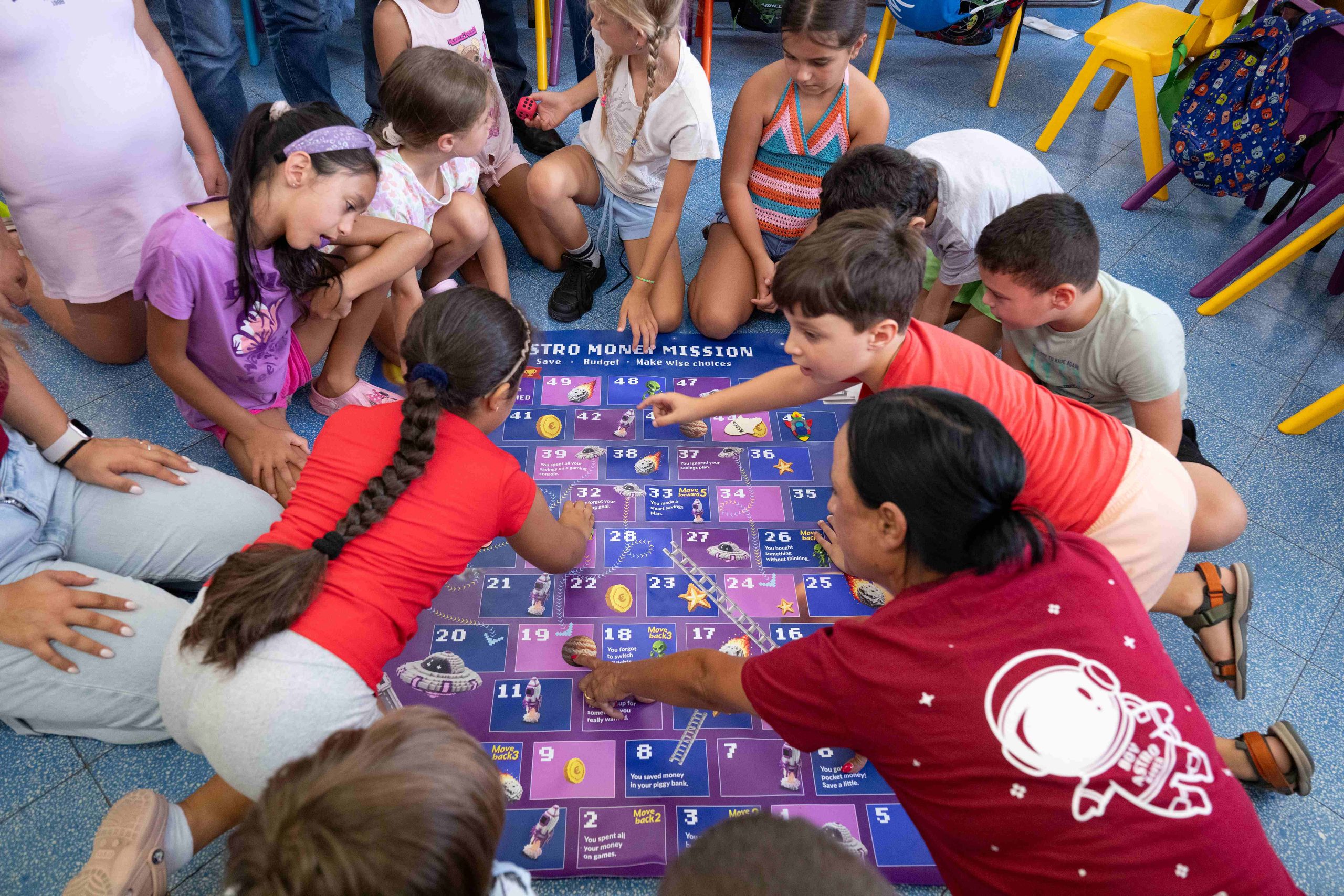
Bank of Valletta participated in the 2026 SkolaSajf programme with a financial literacy initiative, reaching around 700 children, aged 8 to 12, at 30 centres across Malta. This was the third year the bank has participated in this summer school programme.
The initiative introduces children to essential financial concepts in an engaging and age-appropriate way. Sessions address understanding money and the difference between needs and wants, saving and goal setting, smart spending and simple budgeting. They also promote confidence with money, responsible behaviour and awareness of digital money and safety.
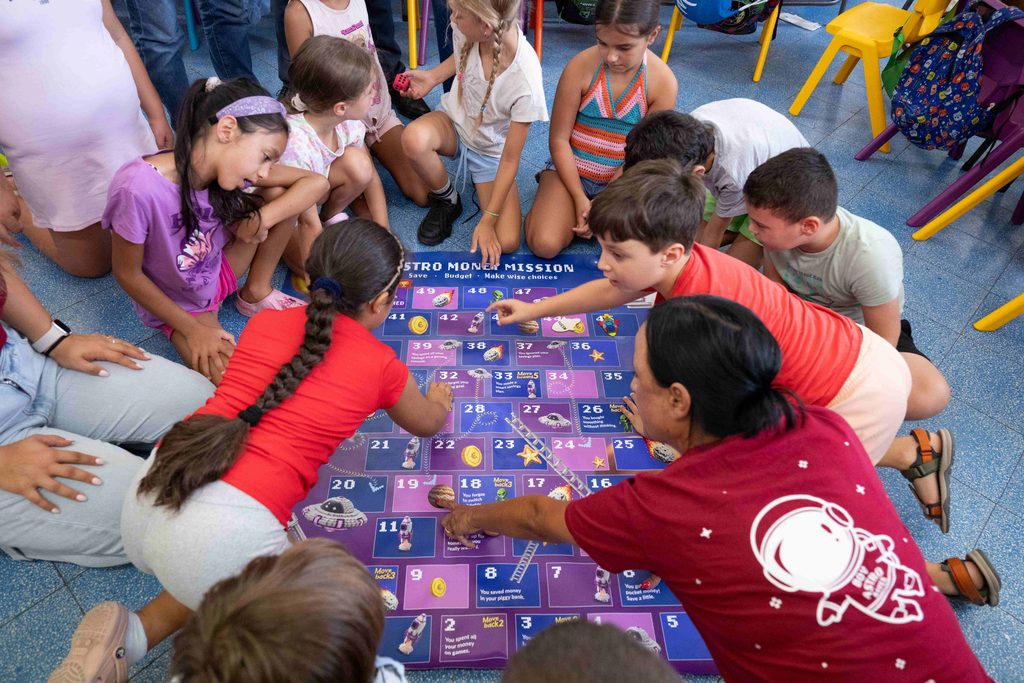
At the heart of the programme is AstroSaver, the Bank’s Young Savers mascot, together with a mix of games, clips and hands-on activities. A key feature of this year’s programme is Astro Money Mission, an interactive board game developed specifically for the sessions. It gives children an opportunity to apply what they have learned while working together, solving problems and making decisions.
The 2026 programme also broadens the conversation from managing money to protecting it. Community Police Officers are participating in selected sessions, where they provide children with simple and practical guidance on scams and online safety. The sessions explain what a scam is, discuss how children can stay safe when gaming or interacting online, and reinforce three clear steps: “Stop, Think, Ask.”
Children are also introduced to common warning signs, including offers or prizes that appear too good to be true, messages that create urgency or pressure, requests for passwords or personal information, and links from unknown or untrusted sources.
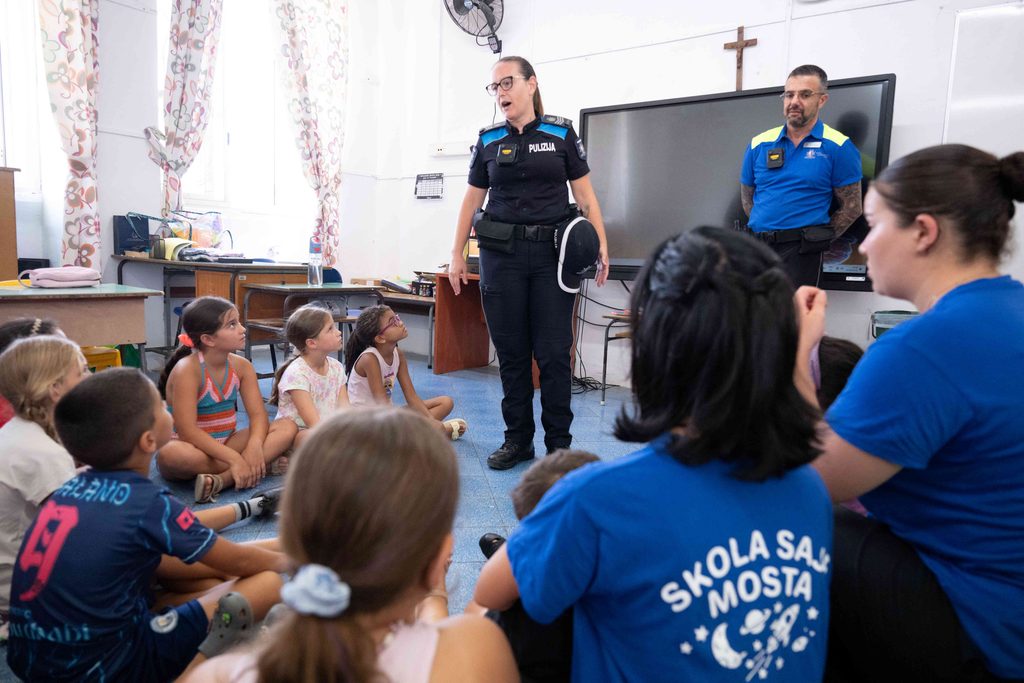
The participation of Community Police Officers builds on the collaboration agreement between the bank and the Malta Police Force. The agreement supports joint initiatives intended to strengthen national resilience against financial crime, promote public education and awareness, reduce victimisation and enhance customer protection. The wider partnership has also been publicly positioned as a means of helping society respond to the evolving tactics of fraudsters and scammers.
By bringing financial literacy and scam awareness together, the programme encourages children to make considered choices both with money and the online world. The same habit of pausing before spending, distinguishing between needs and wants, and thinking about longer-term goals can also help children recognise pressure, question suspicious requests and seek advice from a trusted adult.
“Every conversation we have with a child about saving, planning and making smart choices helps build confidence that can last a lifetime,” explained Vanessa Borg, Lead Marketing and Product Lifecycle Management at the Bank. “Through SkolaSajf, we are not just teaching financial concepts. We are helping young people develop skills that will support them in the years ahead.”
Financial literacy is an important life skill, and early, practical conversations can help children develop healthy habits and a positive relationship with money. Through SkolaSajf, Bank of Valletta is taking these conversations directly into communities and presenting them in a way that is relevant, memorable and enjoyable for young learners. This approach complements the Bank’s wider educational outreach, which promotes smarter financial choices, safer digital habits and stronger financial confidence among young people.